MPS Nursing in Australia gives you the chance to build broader clinical experience, work with greater autonomy, and contribute meaningfully to rural and regional communities. It’s an opportunity to step away from the pace of the traditional hospital setting and make a real difference in settings that value your skills.
At cmr, we connect skilled nurses with high-impact roles across the country. MPS nursing is one of the most rewarding career paths for those seeking variety, purpose, and professional growth.
What Is MPS Nursing?
Multi-Purpose Health Services (MPS) combine aged care, emergency, and acute care under one roof, often in smaller rural or remote communities where separate facilities aren’t practical. These unique services were designed to meet the local healthcare needs of rural Australians, and they rely heavily on experienced, adaptable nurses to make it all work.
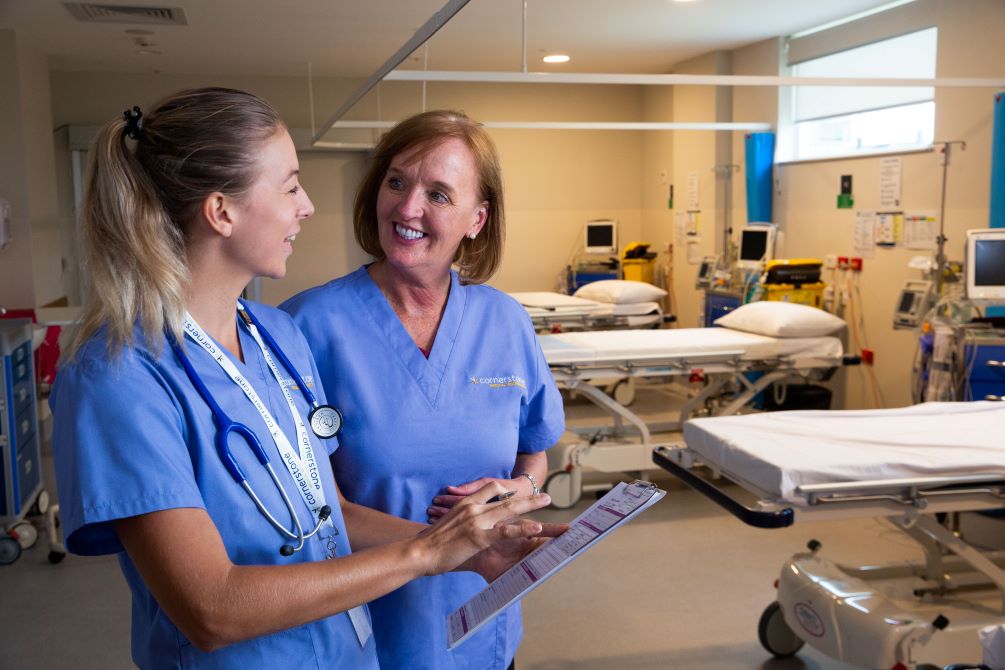
MPS nurses often rotate across departments in a single shift, delivering frontline care to patients of all ages and backgrounds. From resus to wound care to aged care support, MPS nurses do it all, with autonomy, trust, and meaningful patient connections.
What Does an MPS Nurse Do?
An MPS nurse wears many hats. With fewer layers of hierarchy than a large hospital setting, these nurses often work independently and in collaboration with visiting GPs, virtual care services, and allied health professionals.
Here’s a snapshot of what MPS nurses might do:
- Respond to emergency presentations
- Provide aged care services and post-op recovery
- Deliver wound care and chronic disease management
- Coordinate telehealth consults and retrieval services
- Support aged residents in a home-like environment
Each day brings something new and that’s exactly why experienced ED and acute care nurses make the shift.

Who Thrives in MPS Roles?
These placements suit nurses who are comfortable working across different care settings. Many nurses come with emergency or acute care experience, but strong generalists also do well. You’ll need to be confident working independently, with support available via virtual care and local networks.
Most roles require:
- ALS certification
- Triage and resus experience
- Experience across aged, acute or emergency care
ED nurses with broad experience, particularly in rural or mixed settings, are highly suited to MPS roles. Paediatric skills and PALS certification are a bonus but not always required. If you’re someone who can think on your feet and wants a more diverse scope of practice, MPS work might just be your perfect fit.
And when you partner with cmr, we help make the transition seamless, matching you with the right location, supporting your travel and accommodation needs, and offering ongoing career advice and compliance support.
Explore MPS Nursing with cmr
Could MPS Nursing be your next move? Download your free MPS nursing guide to learn what to expect, what skills are needed, and how to take the next step in your career.
We’ve got a wide range of MPS roles available for nurses ready for something different. Get in touch with our Nursing team to find out more.

Thinking about taking your nursing career further? For many New Zealand nurses, Australia offers the chance to access better rates, a wider variety of roles, and a fresh lifestyle. Making the move is more achievable than you might expect.
At cmr, we’ve helped many NZ nurses transition into roles across Australia, from large hospitals to remote regional facilities. With the right support, relocating can be a smooth and rewarding process.
Nursing in Australia as a Kiwi
Australia continues to face high demand for nurses across multiple specialties. The process for New Zealand-trained nurses to work here is relatively straightforward. With AHPRA registration and the right checks in place, you can start working without needing a visa.
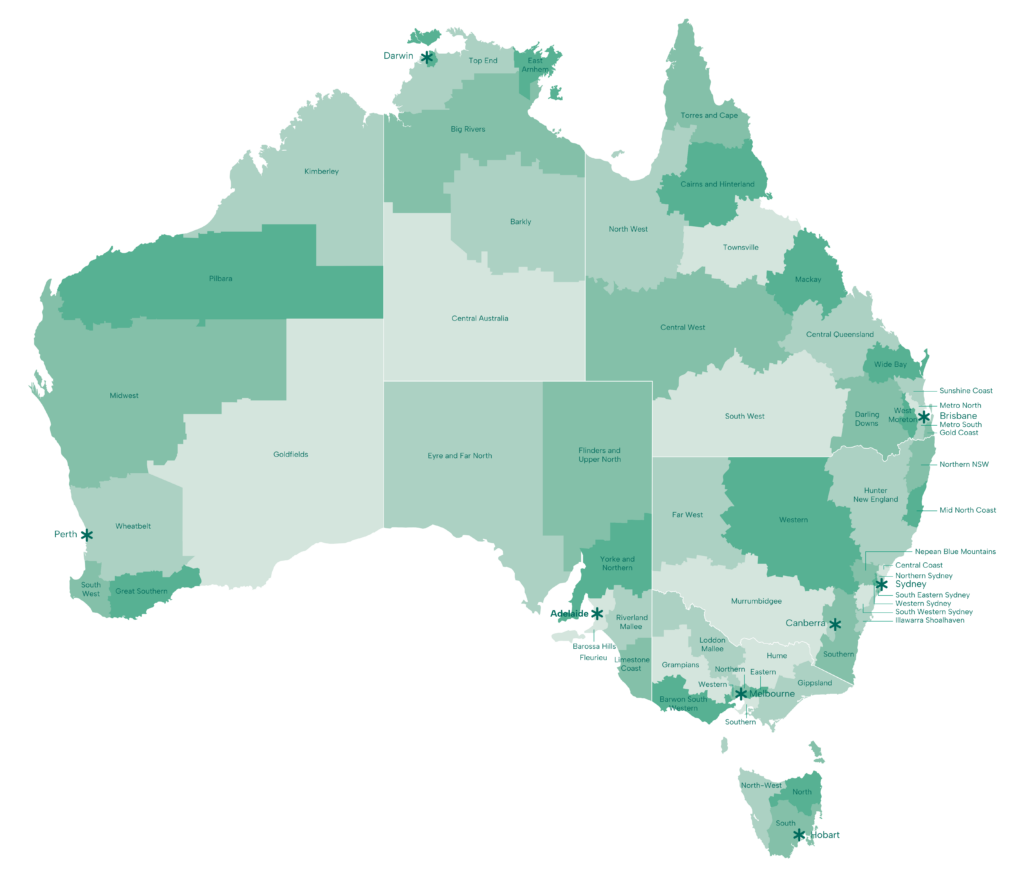
Popular locations range from metro areas to rural and regional communities, each offering unique clinical and lifestyle experiences.
What to Expect When You Arrive
Before you start, you’ll need to complete AHPRA registration and prepare a few key documents depending on the role and location. This might include:
- Working With Children Checks (required in many states)
- NDIS Worker Screening if working in aged care
- Additional training depending on specialty (e.g. triage, midwifery, PROMPT)
Once you’re registered, cmr can help match you to roles that suit your preferences and experience.
Hear from a New Zealand Nurse
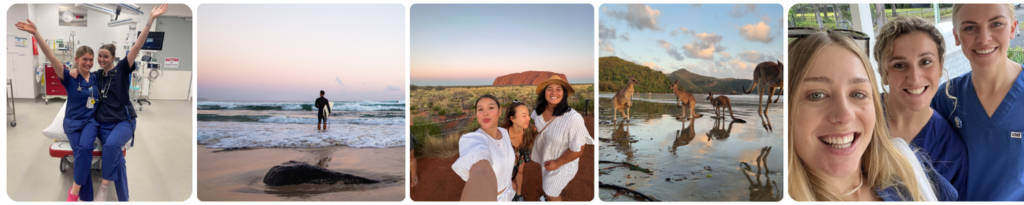
Giovanna, made the move in 2023 and hasn’t looked back:
I have been so grateful for the Cornerstone Team. From payroll to admin to travel support, everything was handled so professionally. My consultant took the time to get to know me and really understood what worked for me and what my goals were. That made all the difference.
With the right agency by your side, the move can be simple, supported, and incredibly rewarding.
What Roles are Available?
Australian employers are actively recruiting New Zealand nurses across:
- Emergency and acute care
- Aged care and community health
- Midwifery and MGP models (similar to LMC)
- Mental health and primary care
You’ll also find opportunities in remote settings, public health, and short-term contracts across a wide range of locations.
Start Your Journey with cmr
We make it easy for NZ nurses to find their feet in Australia. From job matching to relocation tips, we’ll guide you through every step and state-based requirements.
You’ll also have access to:
- Emergency and acute care
- Aged care and community health
- Midwifery and MGP models (similar to LMC)
- Mental health and primary care
Ready to make the move across the ditch?
Download your free NZ Nurses Guide to learn what to expect, where jobs are in demand, and how to get started.

In this article, we share practical healthcare onboarding tips gathered from cmr’s recruitment specialists, insights that help improve retention, build confidence, and set your team up for success from day one.
In a healthcare system under pressure, it’s easy to treat onboarding as a checklist, a quick tour, a login, a rushed intro before your new hire hits the ground running. But how your new team members are welcomed, supported, and set up in their first few days can be the deciding factor in whether they stay.
We asked our specialist recruiters across Nursing, Doctors, Allied Health, and Talent:
What does great onboarding look like?
Here’s what we learned.
“It sets the tone for their whole placement.”
“Even short-term staff need structure. Skipping onboarding increases the chance they won’t return.”
“If the welcome feels rushed, disorganised, or cold, it can instantly create doubt.”
From a permanent GP starting in a remote clinic to a locum RN covering metro ED shifts, those first few days shape how connected (or disconnected) they feel. In a tight talent market, small missteps early on can have lasting impact.
A thoughtful induction sets the tone for your culture and expectations, while a poor one speaks volumes about how much your organisation values its people.

Top 10 Healthcare Onboarding Tips for Better Retention
1. Make day one count
A warm welcome, clear plan, and team introductions set the tone.
2. Share expectations early
Outline the role, their direct report, workload, and escalation pathways.
3. Assign a buddy
A go-to contact for quick questions builds confidence fast.
4. Don’t skip orientation or a site tour
Even short-term staff need to know your systems and safety protocols.
5. Onboarding support starts before arrival
Send a welcome pack in advance: travel, accommodation, site access, key contacts
6. Be ready and provide a training manual
Have logins, name badges, and a team member ready to meet them.
7. Make space for questions and regular check-ins
A short “how are you settling in?” can make a big difference & weekly check ins.
8. Tailor support for remote placements
Rural sites need extra resourcing – don’t assume experience or local knowledge.
9. Avoid the ‘sink or swim’ mentality especially in rural or remote facilities
Even experienced clinicians need a proper handover and context which can mean the difference between life and death.
10. Include your locums.
Invite them to team huddles, chats, and social moments.
The bottom line? Good onboarding = better healthcare
“Onboarding that’s rushed or unclear increases stress, risks burnout, and can affect patient care.”
“Try to standardise the common information in a manual that can be passed onto new starters – get them to add/update it when they leave - what is one thing you wish you knew before you started here? That way there is a common set of standards everyone gets access to, and it doesn’t rely on an individual remembering to tell the new starter a bunch of information.”
Want help setting your new starters up for success?
At cmr, we work closely with our clients and candidates to prepare every healthcare professional for success in their placement and we’re always happy to share tips that make a difference.
Need help streamlining your onboarding process? Reach out to your cmr consultant for support or download our free training manual template.
At cmr, we talk to healthcare professionals across Australia every day, and lately, one topic keeps popping up: bulk billing.
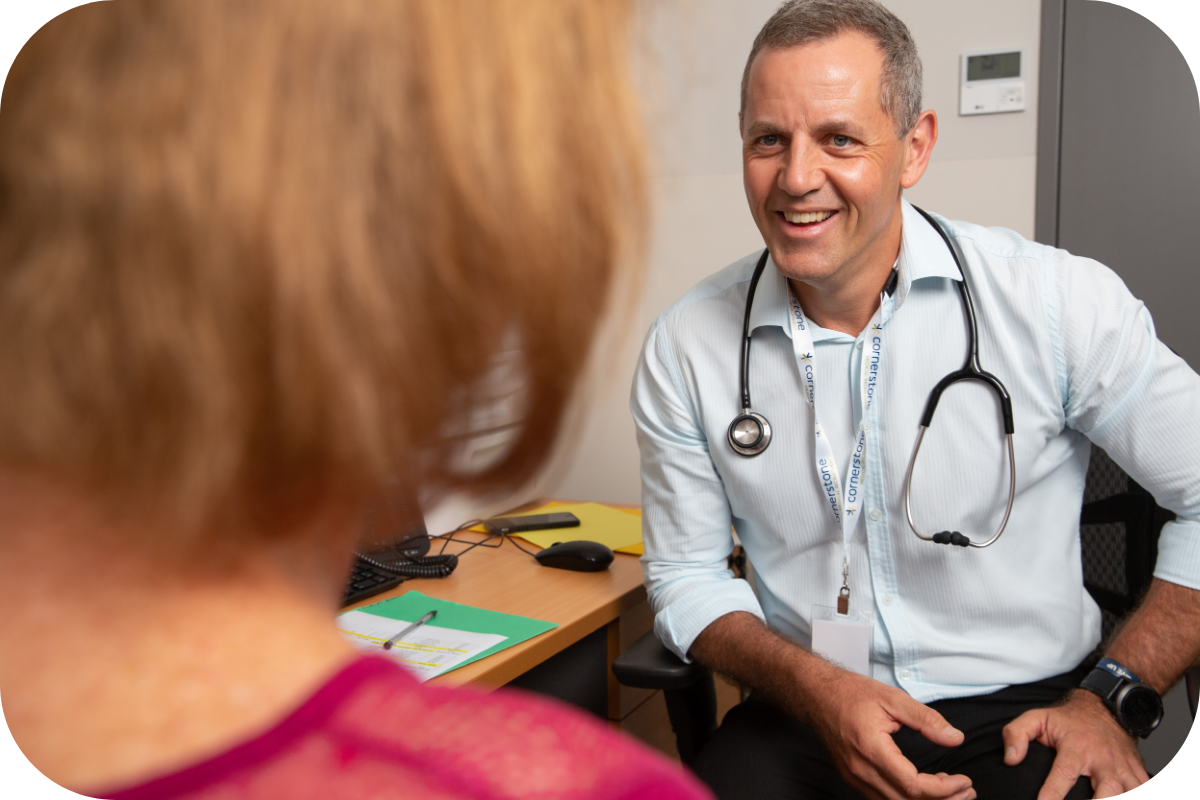
For decades, bulk billing has been the heart of Medicare, ensuring Australians could see their GP without reaching for their wallets. But if you’ve noticed it’s getting harder to find a doctor who bulk bills, you’re not imagining things. It’s estimated that currently only 70% of consults are bulk billed, with the majority of these purely for children and pensioners. So, what’s driving this shift, and is there change on the horizon?
Why More Doctors Are Moving Away from Bulk Billing
Here’s what we’re hearing from our network:
1. The math just isn’t adding up.
Right now, the Medicare rebate for a Standard Item 23 Consult is $42.85. But running a practice (paying staff, rent, insurance, tech systems) often costs closer to $40-$60 per appointment. That gap? It’s coming out of the practice’s pocket.
2. City clinics are feeling the squeeze.
Urban practices face higher operating costs. For many, bulk billing simply isn’t sustainable unless they significantly cut corners, or staff.
3. One-size-fits-all rebates don’t reflect patient needs.
The current system offers the same rebate regardless of how complex the consultation is. That can lead to shorter appointments and limited time for patients with multiple or chronic conditions, something no clinician wants to compromise on.
4. The admin load for bulk billing is no joke.
Strict bulk billing compliance rules mean any small error could trigger an audit or financial penalty. It’s another layer of stress in an already busy day.
5. Many GPs feel undervalued
When rebates are fixed and far below the real cost of care, it sends a message. Many doctors feel their time and expertise aren’t being properly recognised or rewarded.
So, What’s Being Done About It?
Good news: change is on the way. From 1 November 2025, the Australian Government will roll out reforms aimed at making bulk billing more financially viable for clinics. Here’s a quick overview:
- Universal Incentives – Clinics will receive extra payments for bulk billing any patient, not just concession card holders or children.
- 12.5% Loading for Full Bulk Billing Clinics – Practices that commit to bulk billing everyone will receive a 12.5% top-up on top of the standard Medicare rebate.
- Support for Rural and Remote Practices – Clinics outside metro areas could receive up to 190% of the base incentive, acknowledging the unique challenges of delivering care in those regions.
The government’s goal? To generate 18 million extra bulk-billed visits per year and bring national bulk billing rates up to 90% by 2030.
Will It Be Enough?
It’s a step in the right direction, and a much needed one. But it’s not a magic fix. Rising costs, rebate structures, and the administrative load still need long-term solutions.
At cmr, we’re hopeful. We know how hard our healthcare professionals work to deliver quality care, especially when the system feels stacked against them. These new incentives might just give doctors the breathing room they need to keep doing what they love: helping people.
Whether you’re a doctor wondering how these changes could impact your practice or a clinic leader navigating sustainability, our team is here to talk through the details. Because your experience matters, and together, we can build a healthcare system that supports everyone.
For decades, women have driven healthcare forward, yet leadership roles haven’t always reflected their contributions. Is that finally changing?
At cmr’s International Women’s Day webinar, CEO Sam Miklos spoke with three inspiring healthcare leaders about what’s changing, what’s not, and what’s next. This open conversation highlighted personal experiences, systemic challenges, and, most importantly, the steps needed to empower the next generation of female leaders in healthcare and beyond.
This year’s International Women’s Day theme, For ALL Women and Girls: Rights. Equality. Empowerment., reminds us that leadership must be accessible to every woman, regardless of background or circumstance.
Are we doing enough to empower the next generation of female leaders?
Watch the webinar and join the discussion on our LinkedIn here
Watch our International Women’s Day Webinar
Samantha Miklos, cmr founder and CEO
Ellen Rogers, a leading dentist in Geraldton, WA.
Karyn Matterson, Director of Medical Services at Blackwall Hospital in Outback Queensland.
Lesley Woolf, an OAM recipient and the Executive Manager of Health and Community Services at Malala Health Service in remote NT.
What’s next? How to be the change
Our IWD panelists agreed that achieving true gender equality in healthcare leadership requires more than just filling quotas. Here’s what needs to happen:
1. Encourage mentorship and sponsorship programs to foster leadership opportunities for women.
2. Advocate for flexible workplace policies that support women juggling professional and personal responsibilities.
3. Advocate for emerging female leaders and challenge stereotypes in specialist male-dominated fields to support female specialists and ensure leadership is reflective of the workforce.
4. Rethink leadership pathways to accommodate diverse experiences and value non-linear career progression. Leadership should not be measured solely by traditional full-time experience. Skills gained through caregiving, crisis management, and multitasking are invaluable in leadership roles.
5. Celebrate and amplify the voices of women in healthcare leadership. (share this article! or read more)
At cmr, we believe a happier healthcare workforce leads to better health for all. Strong, supportive leadership is at the heart of this, yet, for many women in healthcare, the path to leadership isn’t always clear.
For our International Women’s Day webinar, we brought together three inspiring healthcare leaders to share their insights on what it takes to thrive in leadership, the challenges they’ve overcome, and the lessons they’d pass on to the next generation.
Female leaders have unique strengths
Beyond technical expertise, our panellists highlighted the critical leadership skills women bring to the table, many of which are often undervalued!
Empathy & Emotional Intelligence as natural caregivers women bring strong communication skills to leadership roles.
Multitasking & Crisis Management is delivered in spades when balancing multiple responsibilities in home and workplace environments, needing sharp decision-making and problem-solving abilities.
Adaptability & Resilience as many women who take non-linear career paths foster resilience and the ability to navigate change effectively.
Karyn Matterson summed it up perfectly: “Skills and capability that come from being a mother- like time management, emotional intelligence, and crisis management- are invaluable in leadership. We need to recognise those strengths.”
How to make a start in leadership
If you’re a woman in healthcare looking to take the next step in your career, here’s what the panellists recommend:
Find a Mentor & Build Your Network
Seek out leaders who inspire you and learn from their experiences.
Advocate for Yourself & Others
Don’t wait for opportunities; put yourself forward and support other women in leadership.
Challenge Imposter Syndrome
You don’t need to tick every box to be a great leader.. back yourself and step up.
Say Yes to New Challenges
Even if it feels intimidating, take the leap. Growth comes from pushing past your comfort zone.
What advice would you give to your younger self?
“Your path won’t look like everyone else’s, and that’s okay. Embrace the unconventional and take up space in leadership.”
Ellen Rogers, Dentist in Charge in regional WA

“Say yes to opportunities. You have nothing to lose.”
Karyn Matterson, Director of Medical Services in rural QLD

“Never let a chance go by. Even if it seems daunting, take the leap.”
Lesley Woolf, OAM, Executive Manager in Indigenous Health
What’s the best leadership advice you’ve ever received? Share your insights on LinkedIn and Instagram on our post and use #ForAllWomenAndGirls to help inspire the next wave of female leaders.
Watch our International Women’s Day Webinar
Samantha Miklos, cmr founder and CEO
Ellen Rogers, a leading dentist in Geraldton, WA.
Karyn Matterson, Director of Medical Services at Blackwall Hospital in Outback Queensland.
Lesley Woolf, an OAM recipient and the Executive Manager of Health and Community Services at Malala Health Service in remote NT.
Thinking about making the switch to healthcare recruitment? You wouldn’t be the only one. More and more recruiters and industry leaders are making the move, drawn to the impact, career growth, and fast-paced opportunities the sector offers.
At cmr, leaders like Shaun Cronin, GM of Sales, and Rachael De Vault, National Recruitment Manager for Nursing, have made the shift, and haven’t looked back.
But what makes healthcare recruitment different? And why did they choose cmr? Bronte Sinclair, Talent Team Lead, sat down with Rachael and Shaun to get the inside scoop on what it’s really like, and why it might be the right move for you too.

1. Healthcare recruitment is a growing industry
Many recruiters don’t initially consider healthcare, but it’s one of Australia’s most in-demand sectors.
“I didn’t realise how big the industry was until I joined,” Rachael admits. Shaun adds, “The sector is always evolving, and demand never slows down.”
One of the biggest surprises? You don’t need prior healthcare knowledge to thrive. If you’re an experienced recruiter, cmr provides the tools and training to help you hit the ground running.
2. cmr is a recognised leader in recruitment
cmr is known for its strong presence in the recruitment space, winning industry awards and building a reputation for culture, brand, and impact.
“cmr was everywhere on LinkedIn – awards, recognition, strong branding,” says Rachael. “It was clear they were doing something right.”
For Shaun, it was about career progression and the chance to make a real difference.
“I wanted something new that still leveraged my skills.
Shaun Cronin – GM of Sales
At cmr, I get to lead, grow a team, and help shape the business.”
3. A role that keeps you engaged
Healthcare recruitment is different from corporate recruitment – it’s fast-paced, complex, and meaningful.
“I was blown away by the volume and the opportunity to grow the business,” Rachael explains. Unlike standard recruitment, healthcare involves credentialing, compliance, and even relocating candidates to remote areas.
“One nurse had to take a postal van and a tinny through floodwaters to get to her placement!” Shaun recalls.
4. A leadership team that listens and invests in you
What truly sets cmr apart is our people. We have a leadership team that listens, invests in their people, and fosters an agile, high-performing culture.
“Sam and Norbert are hands-on, and if you pitch a great idea—be careful, because they’ll likely say yes straight away!” says Shaun.
At cmr, you’ll have the freedom to innovate, the support to succeed, and a culture that celebrates wins – big and small.
Ready to make the move?
If you’re a recruiter ready for a career with real impact, cmr offers the chance to grow, lead, and be part of an award-winning team.
Curious to learn more? Let’s chat.
P: +61 7 3188 6193
E: talent@cmr.com.au
Head of Talent & Employer Branding – Kate Coomber – LinkedIn
Talent Team Lead – Bronte Sinclair – LinkedIn
In the world of recruitment, one thing stands out time and time again: employers don’t just hire skills – they hire people who genuinely want the job. No matter how qualified you are on paper, if you don’t actively demonstrate enthusiasm and engagement throughout the hiring process, you may not land the role. This is why enthusiasm matters in job search.
At cmr, we’ve seen firsthand how a candidate’s level of interest can make or break their chances – both when placing healthcare professionals externally and when hiring into our own team.
Here’s why showing you actually want the job matters, and how you can do it effectively.

1. Employers Want to See Commitment
Regardless of the industry, employers are looking for candidates who will not only excel in the role but also integrate well into their team and stay for the long haul. Demonstrating a keen interest reassures hiring managers that you’re invested in their organisation, not just looking for any job.
To show this, research the company and role beforehand. Go beyond the job ad, look into their culture, values, and recent projects. When it comes time for the interview, ask insightful questions about the organisation’s direction, team dynamics, and opportunities for growth. It also helps to express your motivation clearly….why this job, why this company, and why now?
2. Enthusiasm Can Set You Apart
Competition for top roles is fierce. When multiple candidates have similar qualifications, the difference often comes down to attitude. A candidate who actively shows enthusiasm for the position is far more likely to stand out. Employers want to hire someone who is excited to be there, ready to contribute, and open to learning.
One way to do this is by being proactive in your communication. Respond to emails and calls promptly….it shows professionalism and genuine interest. When applying, tailor your cover letter and resume to highlight exactly why you’re the perfect fit for the role. In the interview, use positive and confident language, your energy should reflect your excitement about the opportunity.
3. Hiring Managers Look for Cultural Fit
A strong resume may get you through the door, but how well you fit into the company’s culture can be the deciding factor. A lack of enthusiasm can be misinterpreted as a lack of interest in the organisation’s mission, which can be a dealbreaker.
To make a strong impression, mention specific aspects of the organisation that excite you. Maybe it’s their commitment to innovation, their workplace culture, or their reputation in the industry – whatever it is, show that you’ve done your homework. Demonstrate that you understand their values and how they align with your own career goals. After the interview, follow up with a thank-you email that reaffirms your interest and highlights what resonated most with you about the role.

4. Passion Leads to Longevity
Employers invest time and resources into onboarding and training new hires, so they want to be confident they’re bringing in someone who will stay and thrive. A candidate who is genuinely excited about their work is far more likely to bring energy and commitment to the role.
A great way to showcase this is to share personal stories that connect to your passion for the industry. If there’s a particular reason you were drawn to this line of work, let that shine through. Be open about what excites you most about the opportunity and how it aligns with your long-term career goals. Above all, be authentic….when you’re passionate about what you do, it shows naturally.
Final Thoughts
Showing you actually want the job isn’t about being overly eager – it’s about being intentional and engaged. A candidate who brings enthusiasm, research, and thoughtful communication to the hiring process will always have an edge over someone who simply submits a resume and waits.
At cmr, we don’t just help healthcare professionals find jobs, we help them land the right ones. Whether you’re looking for a new opportunity or hoping to join our own team, make sure your enthusiasm matches your expertise…. you might just be exactly what an employer is looking for!
In a recent conversation with Lesley Woolf OAM, Executive Health Manager at Mala’la Health Service, we uncovered how she’s securing vital grants to bring more healthcare workers to her region to address the staffing challenges many rural and regional communities face.
If workforce challenges are top of mind for your organisation, Lesley’s approach might offer some valuable insights.
In Episode 3, Season 1 of It Takes Heart, we’re joined by Marguerite King, an accomplished sports and musculoskeletal physiotherapist, fresh from the Paris Olympic Games. As the lead physio for the Aussie Stingers, Australia’s women’s water polo team, Marguerite shares her journey from her early days as a rowing Olympian to her role on the sidelines of one of the world’s biggest sporting events.
Working with a team that secured a silver medal, Marguerite’s career exemplifies resilience, adaptability, and passion. From her work at the Queensland Academy of Sport to her PhD research on athlete injury prevention, Marguerite’s story is one of dedication and the pursuit of excellence.
Marguerite’s path to becoming lead physio for Water Polo Australia was not linear. Starting her career at the acute stroke unit at Greenslopes Hospital in Brisbane, she transitioned to sports physiotherapy after completing her master’s degree. “I think working in stroke care taught me about trust, care, and teamwork,” Marguerite explains, reflecting on the transferable skills she brought to elite sports.
A pivotal moment came when Marguerite was asked to take on water polo players at the Queensland Academy of Sport. “I had no idea about water polo,” she recalls, “but I knew I wanted to help tackle their challenges, especially with shoulder injuries.”
Marguerite’s innovative approach involved collaborating with engineers to design waterproof sensors for tracking players’ movements and preventing injuries. This research became the cornerstone of her PhD at the University of Queensland.
Being part of the Olympics is no ordinary job. Marguerite shares the discipline and focus required, not just from the athletes but also from their support teams.
Marguerite’s experience highlights the intense preparation behind every game. Her day-to-day role involves treating athletes, managing wellness data, and liaising with coaches to ensure alignment across the team.
“Adaptability is so important in elite sports,” she explains. “Whether it’s here in Australia or during a tournament overseas, you have to be flexible and ready for anything.”
The physical demands of water polo are relentless, and injuries are common. “Shoulder and hip injuries, lumbar spine issues, and even lacerations—it’s a contact sport, and the demands on the body are incredible,” Marguerite says.
The silver medal was the result of years of hard work. “I think the medal is like the cherry on top,” Marguerite reflects. “It’s the culmination of all the small, unseen efforts by the athletes and the support team.”
She credits the team’s head coach, Bec Rippon, for fostering a culture of clarity and alignment. “Her leadership was crucial in bringing the team together,” Marguerite says, adding that the values of bravery and respect played a key role in their success.
Now back in Brisbane, Marguerite is taking a break from clinical work to focus on completing her PhD. She’s excited about the potential for her research to transform how water polo injuries are managed in the future.
Marguerite’s advice for young physiotherapists? “Say yes and figure it out later,” she says. “Don’t second-guess yourself—if someone believes in you enough to offer you an opportunity, take it.”
Watch Episode 12 of It Takes Heart celebrating sports, community, and the enduring spirit of perseverance.
Listen to Episode 12 – Olympic Athlete to Olympic Physio: Marguerite King on High Performance
More About Marguerite King’s Charity of Choice: Clem Jones Centre for Aging Dementia Research
During the podcast, Marguerite chose to support the Clem Jones Centre for Aging Dementia Research at the University of Queensland in honour of her late father, a dentist and healthcare professional. “He would have been so proud,” she says, highlighting the centre’s vital work in dementia research.
Subscribe to It Takes Heart
Join us to discover real-life stories of passion and purpose, insight and inspiration from people on the inside and tales that are equal parts heart-warming, heart-wrenching and hilarious.

