

Cultural Awareness for Remote Work
Working in Community
Working in rural and remote Australia gives you the opportunity to make a real difference – especially when supporting the primary healthcare needs of Aboriginal and Torres Strait Islander communities.
These settings can feel unfamiliar if you’re new to them, so being culturally aware and well-prepared is key to creating positive experiences, for you, your clients, and the community.
Use these resources to build your confidence and cultural understanding before heading out on placement.
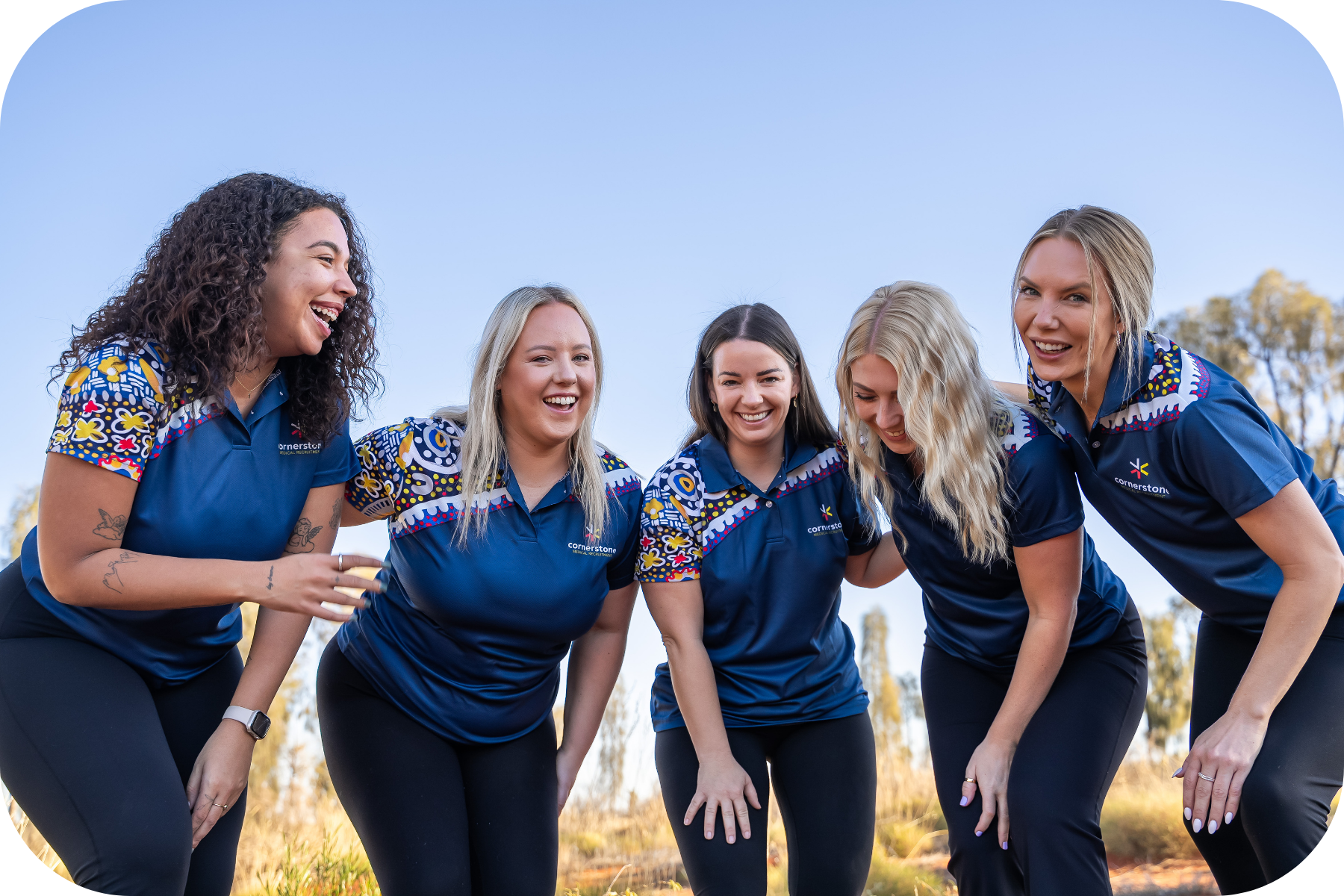
Cultural Safety Resources
Access e-learning, modules and orientation handbooks.
- NT Remote Locum Program Cultural Orientation Handbook – Free
- Northern Territory Remote Locum Program (NTRLP) – Free
- CRANA – Online Courses – Free & Paid
- Australian Indigenous HealthInfoNet – An Introduction to Cultural Safety – Paid
- RACGP – Cultural Awareness and Cultural Safety Training – Membership
- Australian College of Rural and Remote Medicine (ACRRM) – Membership
- Australian Indigenous Doctor Association (AIDA) – Paid
- WellMob – Free
- AUSMED – Training Modules – Membership
Additional Tips
When you arrive in community:
- Build relationships with local Aboriginal health workers or local elders – they are often the best guides in community-specific knowledge.
- Ensure you complete any health facility specific cultural training that is requested.
- Listen and learn – take time to understand local indigenous cultures, traditions and communication styles.

Travelling in Natural Disasters
cmr guide to being prepared if you’re required to travel where cyclones, flooding and bushfires and occur.
PDF Guide
Mycmr Resources
Your one-stop shop for all the latest news and tools to help you on your placement.
Mycmr Resources
Orientation Checklist
Designed to help you onboard at your new placement and access essential information for your role.
Checklist
Memberships:



Cornerstone Medical Recruitment acknowledges the Traditional Custodians of country throughout Australia and their connections to land, sea and community. We pay our respects to Elders past and present.