
If AI Can Do All That… Do We Still Need a Recruitment Agency?
We’ll acknowledge the obvious irony upfront: yes, a recruitment company is talking about the limits of AI in hiring. But as artificial intelligence becomes more present in workforce conversations across Australia, the research is pointing to a clear reality. While AI can significantly improve efficiency, it continues to fall short in the areas that matter most in healthcare hiring: judgement, fairness and accountability.
If you work in healthcare, chances are you are being told that AI can “fix” your workforce challenges. From smart rostering to CV scanning and even AI-led interviews, it is tempting to ask the question many are quietly thinking:
If AI can do all that… do we still need a recruitment agency?
The short answer is yes. But the expectation should shift. Agencies should not be resisting technology. They should be using it wisely, while ensuring people remain at the centre of decisions that affect teams, patients and communities.
For clients, this also means shifting the way you evaluate recruitment partners. The question is no longer simply whether an agency uses AI. It is how they use it, where human judgement sits in the process, and who remains accountable for hiring decisions when technology is involved.
Where AI Adds Value and Where Human Judgement Still Matters
There is no question that AI has a role to play in modern recruitment. Used well, it can improve speed, visibility and consistency, particularly in a market where time to hire continues to stretch and candidates disengage quickly when communication slows.
At cmr, we see AI as a support tool that strengthens the recruitment process rather than drives it.
Where AI adds value
AI can be highly effective when used to:
- Search large databases and surface potential matches quickly
- Screen basic role requirements at scale
- Support administrative tasks like templated communication and scheduling
- Identify patterns in demand to support workforce planning
Used in this way, AI helps remove friction from the process. It allows our consultants to move faster, keep candidates engaged and focus their time where it has the greatest impact.
Where human judgement will always matter
In healthcare recruitment, some decisions should never sit with automation alone. That includes:
- Understanding team culture, patient needs and the realities of specific clinical environments
- Having real conversations with candidates about motivation, resilience and readiness
- Applying fairness and discretion for candidates with non-linear career paths, international backgrounds or unique circumstances
- Providing support beyond placement, including aftercare, feedback and retention conversations
These moments shape outcomes for patients, teams and communities. They rely on empathy, context and experience, not automation.
By combining the efficiency of AI with human insight, cmr aims to deliver recruitment that is not just faster, but safer, fairer and more sustainable for healthcare.
The Hidden Risks of Going AI Only
Candidate Experience and Employer Brand
Candidates consistently report that they want human interaction during key stages of the hiring process. Around three-quarters of job seekers prefer speaking with a real person when applying or interviewing, rather than interacting only with automated systems.
When recruitment becomes a black box with no feedback, no context and no conversation, trust erodes. In a tight healthcare market, good clinicians simply opt out.
Missing the Context That Actually Matters
An algorithm can confirm whether someone has ICU experience. It cannot understand:
- How they respond during a chaotic night shift
- Whether they can cope with the isolation of a remote or rural placement
- How they will fit within a specific team dynamic or community
These insights come from conversations, references and lived industry experience, not keywords or sophisticated prompts.
Bias and Fairness
Research continues to show that AI-driven recruitment tools can unintentionally discriminate based on gender, age, disability, speech patterns and cultural background.
Australian studies have highlighted risks for candidates with strong accents or speech-affecting conditions when automated tools are trained on limited datasets.
In a sector as diverse as healthcare, where international clinicians and non-traditional career paths are essential to workforce supply, this is a serious concern.
What This Means for You as a Client
If you are exploring AI tools in your workforce or HR processes, the most important question is not whether to use AI, but how to balance technology with human accountability.
Rather than asking recruitment partners what AI they use, a more valuable starting point is asking how they work with you in an increasingly automated environment.
Consider questions such as:
- How do you ensure human judgement sits behind every shortlist?
- How do you protect fairness and inclusion when automation is part of the process?
- How do you assess cultural fit, resilience and readiness, not just technical skills?
- How do you support candidates once they start, not just up to the offer stage?
- How do you help us build a workforce that lasts, not just fill gaps quickly?
The answers to these questions matter more than any technology stack.
At cmr, our role is to work alongside your internal team and any systems you adopt, providing the human insight technology alone cannot. We help balance efficiency with care, speed with judgement and data with lived experience.
That means:
- Protecting fairness and diversity in hiring decisions
- Creating a more human and supportive experience for candidates
- Building healthcare teams that are sustainable, engaged and set up for success
Because in healthcare, hiring is not just a process to optimise. It is a responsibility. And getting it right still takes heart.
This article draws on research highlighting both the benefits and limitations of AI in hiring, including risks around bias, discrimination and the importance of human oversight (e.g., ABC News report on discrimination risks: https://www.abc.net.au/news/2025-05-08/ai-job-recruitment-tools-could-enable-discrimination-research/105258820).
Further Reading
- People interviewed by AI for jobs face discrimination risks, Australian study warns
The Guardian
https://www.theguardian.com/australia-news/2023/nov/20/people-interviewed-by-ai-for-jobs-face-discrimination-risks-australian-study-warns - AI job recruitment tools could enable discrimination, research finds
ABC News
https://www.abc.net.au/news/2025-05-08/ai-job-recruitment-tools-could-enable-discrimination-research/105258820 - Algorithmic bias in recruitment: why AI hiring tools still need human oversight
Nature Human Behaviour / Humanities & Social Sciences Communications
https://www.nature.com/articles/s41599-023-02079-x - New research warns AI alone won’t fix bias in workplace recruitment
University of South Australia
https://www.unisa.edu.au/media-centre/Releases/2025/new-research-warns-ai-alone-wont-fix-bias-in-workplace-recruitment/
You might also like…
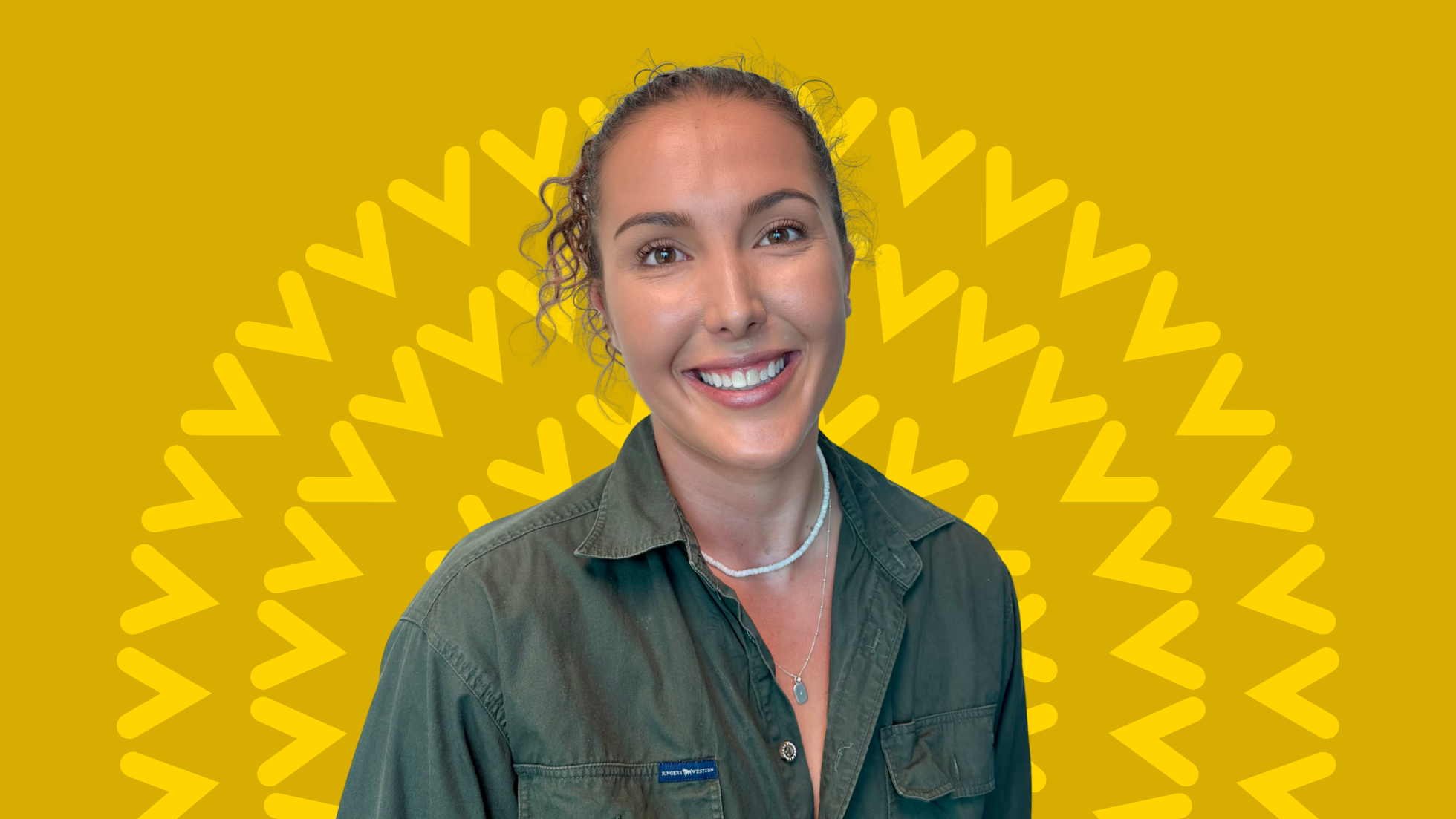
If You Can, You Must: Travel Nursing and a Career Beyond the Ordinary
Travel nursing can open doors to growth and adventure. Nurse Tessa shares everything from outback contracts to volunteering on a Mercy Ship.
Read more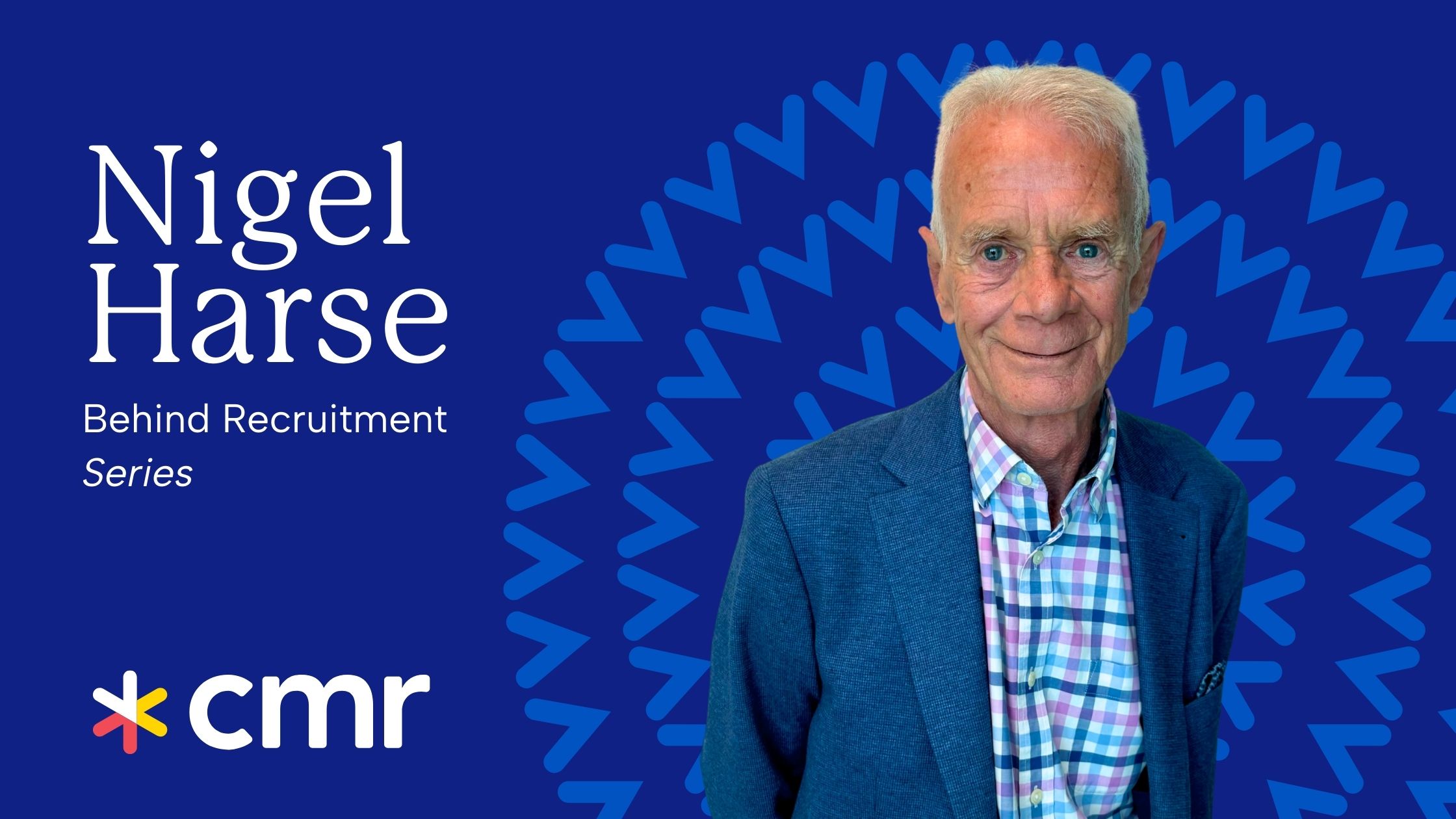
Inside Recruitment with Nigel Harse: Lessons from a True Industry Legend
Nigel Harse reflects on 48 years in recruitment, sharing hard-earned lessons on leadership, benchmarking and the future of the industry.
Read more
If AI Can Do All That… Do We Still Need a Recruitment Agency?
AI is changing hiring fast. Here’s what it can do, what it can’t, and why people still matter in healthcare recruitment.
Read more
Get to know us better. Follow our socials.

Memberships:



Cornerstone Medical Recruitment acknowledges the Traditional Custodians of country throughout Australia and their connections to land, sea and community. We pay our respects to Elders past and present.