
Remote Area Nursing in Australia: What It Really Takes
Remote area nursing in Australia is about far more than clinical skills. It asks nurses to work with autonomy, adapt quickly, understand the communities they’re entering and, perhaps most importantly, build genuine trust. In this episode of It Takes Heart, we sit down with long-time Remote Area Nurse Kate to explore what the role really asks of you and why, after so many years, she still loves it.
Kate’s nursing career didn’t begin in the traditional way. She left school around Year 8 and became a nurse at 32, after years of working in different roles at her local hospital. Nursing eventually took her around Australia and overseas, including humanitarian work in Sri Lanka and during the Ebola crisis in Sierra Leone, with Médecins Sans Frontières (Doctors Without Borders).
For Kate, those experiences are connected by a deeply held belief in equitable care.
“Wherever you are, whoever you are, you deserve it.”
It’s a philosophy that has shaped her approach to remote area nursing in Australia, particularly her work alongside Aboriginal and Torres Strait Islander communities.
Kate explains that life as a RAN can mean being one of just two nurses in a community, assessing patients, beginning treatment and consulting a doctor remotely when needed. The work spans primary healthcare, emergencies, health education and everything in between. It demands strong clinical judgement, but Kate is equally clear that completing a course alone doesn’t replace experience.
“You can’t buy that,” she says of the instinct that comes from years of assessing patients and recognising when something simply isn’t right.
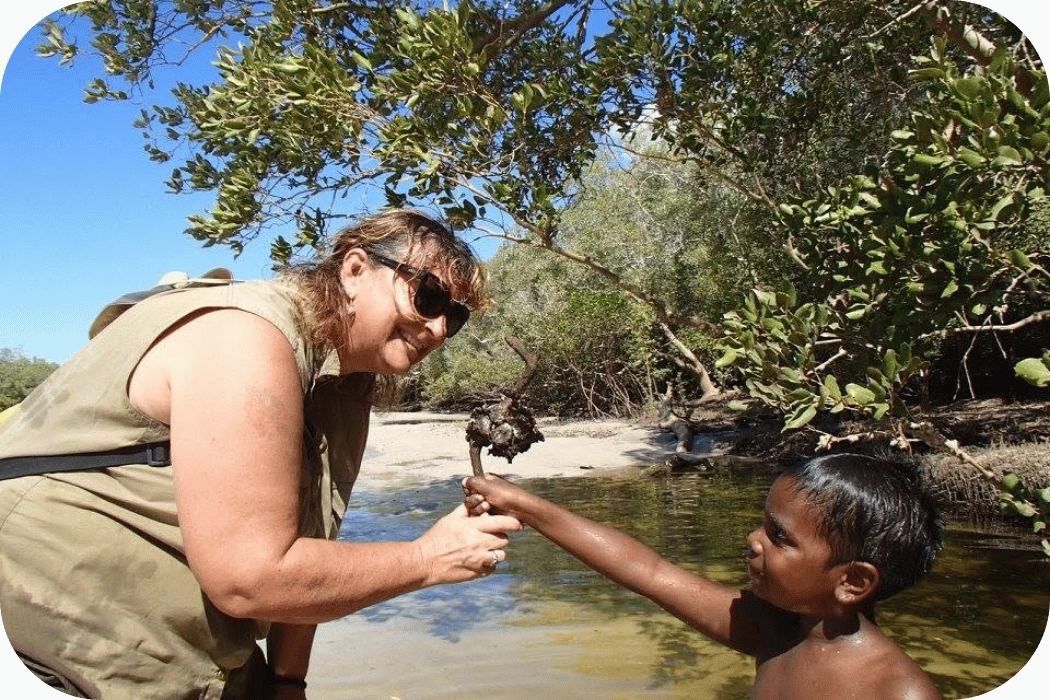
Just as important is cultural understanding. Every community is different, and Kate talks openly about learning from local health workers, respecting cultural protocols and taking the time to understand where you are before assuming you know how things work. Those relationships aren’t an optional extra. They can shape the quality, safety and effectiveness of the care a nurse provides.
Trust can also take time. Kate describes patients initially presenting with one concern while quietly deciding whether they feel safe enough to share what is really going on.
“Everyone’s got a key.”
Finding that “key” means being curious, listening and seeing the person in front of you, not simply working through a checklist.
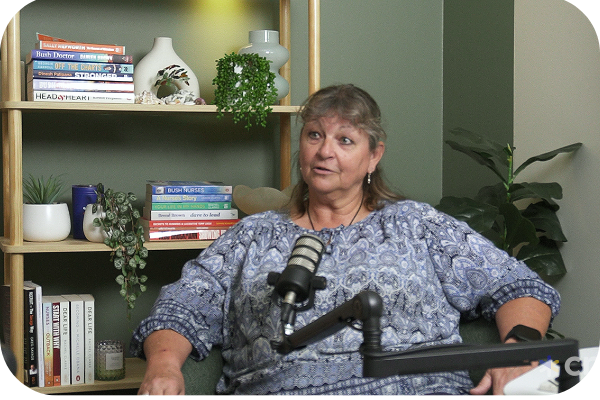
Kate also speaks candidly about safety in remote nursing and the lasting impact of Gayle Woodford’s death in 2016. Gayle’s murder while responding to an after-hours callout in South Australia became a turning point for the remote nursing community, prompting stronger calls for protections for nurses working alone.
Kate was among those who advocated for change, and that movement helped lead to Gayle’s Law in South Australia, which requires a second responder to accompany health practitioners on most out-of-hours or unscheduled remote callouts. For Kate, it remains an important reminder that supporting remote nurses means protecting them, too.
For nurses considering a move into remote area nursing, a gradual approach can be a great place to start. Building experience in regional and rural settings first can help strengthen the clinical confidence, adaptability and decision-making skills needed for more remote roles. Nurses can also speak with cmr’s specialist remote nursing team for advice on their next step, or explore our Remote Area Nursing Pathway Guide for more practical guidance on preparing for remote work.
More about Kate’s organisation spotlight, Street Side Medics
Street Side Medics’ purpose is to bring free, judgement-free healthcare directly to people experiencing homelessness, meeting them where they are through a mobile medical centre rather than waiting for them to walk through a clinic door.
Watch Season 3, Episode 50 of It Takes Heart with Remote Area Nurse Kate
Subscribe to It Takes Heart
Join us to discover real-life stories of passion and purpose, insight and inspiration from people on the inside and tales that are equal parts heart-warming, heart-wrenching and hilarious.


You might also like…
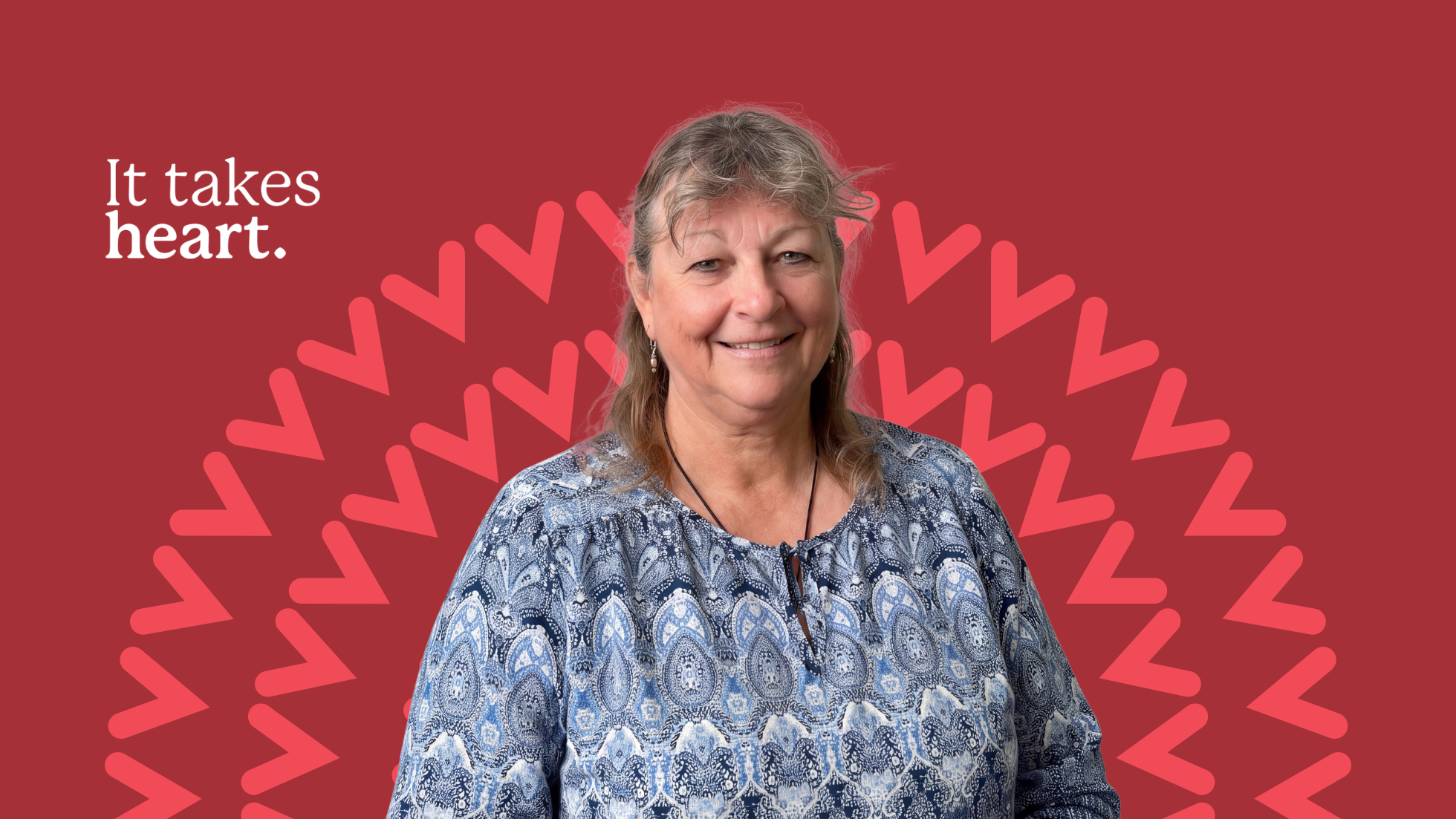
Remote Area Nursing in Australia: What It Really Takes
Remote Area Nurse Kate shares what remote area nursing in Australia really takes, from clinical experience to trust, culture and connection.
Read more
Understanding Section 19AB and DPA in Australia
Learn how Section 19AB, DPA locations and the 10-year moratorium affect overseas-trained doctors, including exemptions, scaling and Medicare access.
Read more
Rural vs Metropolitan General Practice in Australia: Which Is Right for You?
Compare rural vs metropolitan general practice in Australia, including lifestyle, earning potential, clinical experience and career opportunities for GPs.
Read more
Memberships:



Cornerstone Medical Recruitment acknowledges the Traditional Custodians of country throughout Australia and their connections to land, sea and community. We pay our respects to Elders past and present.