
Graduate OT Lands Dream Role in Rural NSW
We sat down with new graduate Eloise, Occupational Therapist from Western Australia to ask how her regional locums with Cornerstone have helped her career.
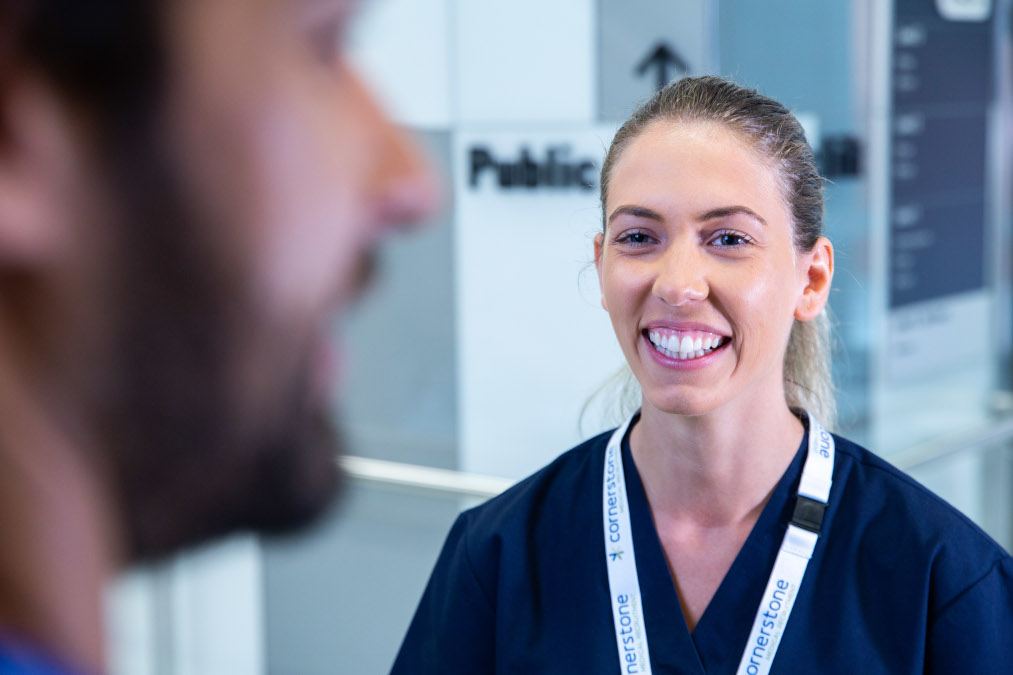
What inspired you to get into occupational therapy?
I have family members who are Occupational Therapists (OTs), so I was always aware of some areas that OTs worked in. I have always wanted to work with people in a healthcare setting. I knew occupational therapy was for me when I discovered how diverse our work can be and how many different types of OT there are, which I like as I’ll never get bored!
Were you always open to relocating regionally or was there a key moment/occasion that inspired you to take the leap?
I have always been keen to work rurally. I have family members and friends who have had experience working rurally in healthcare settings who really highlighted how rewarding working rurally can be.
Where were you living prior? Have you ever lived regionally before?
I was living in Perth with my family. I had never lived regionally before, although I have done some travelling through different parts of the country which are rural locations.
What do you think are the benefits of living and working in a regional area?
- Personal development and growth.
- As a clinician you are exposed to so many situations where you need to be resourceful and you’re forced to develop your initiative and clinical reasoning skills.
- You are exposed to situations you may not get to be exposed to as a new grad in a metro location.
- A much more relaxed lifestyle outside of work.
- Meeting amazing colleagues from all over the country who end up becoming really close friends.

Do you believe this has been more advantageous for your career?
Definitely. You develop skills due to the nature of rural work. Often healthcare services are under-staffed and under-resourced, and consequently you have to step up your game and think outside the box to ensure you are still delivering evidence-based and quality service. I think I am more hirable as a new graduate because I have had these experiences working rurally which have forced me to develop highly commended skills as an OT. Additionally, I think having worked rurally highlights your dedication and passion for the work that you do. You also meet amazing OTs and health professionals, so great for networking too!
Do you believe this has provided you with greater life skills and experience more generally?
For sure. I was really proud of myself to pack up and move to a place where I knew no one and had never been to before. I think the ability to move rurally, make friends and establish a routine that I loved, proved to myself that I can move anywhere in the world and be okay.
What did you love about the Broken Hill region?
The people there. Everyone in Broken Hill is so friendly, the locals, the staff at the hospital, my colleagues in the Allied Health Department. It made settling in so much easier. The surrounding local towns held rodeos and gymkhanas regularly throughout the year which I could not recommend attending enough!

What’s your advice to other graduates about seeking work after study?
Definitely consider working rural! It may seem daunting but the clinical skills, life experience, and friendships you make from it are invaluable. There is a certain way of life in rural and small community towns, and I think everyone needs to experience it.
What was your experience like with cmr?
Amazing! I worked closely with one senior consultant (Faye) throughout my employment and I still can’t believe how easy the whole experience was. Faye went out of her way to clearly communicate the expectations and logistics of the job. Faye helped with organising getting to Broken Hill, and liaised with Broken Hill staff members on my behalf leading up to the employment. Additionally, she would check in regularly throughout my time in Broken Hill to see how I was managing and review my experience at the Broken Hill Hospital.
What are you up to now? Will you look to continue with regional opportunities?
I am currently working in a tertiary hospital in Perth. I will definitely continue to pursue regional opportunities in the future.
If you’re an Allied Health graduate, get in touch with the Allied Health team today to discuss where you’d like to work and current available roles across Australia.
You might also like…
The Leadership Principle That Changes Everything in Healthcare
Allied Health Manager Julie Quade on why great healthcare leadership starts with a regulated nervous system, serving your team, and caring about the collective over personal comfort.
Read more
The Doctor Who Said Yes to Everything
Dr Justine Cain took a winding road through GP, emergency medicine, and Doctors Without Borders. Her story is a case for building a medical career on your own terms.
Read more
How Former Clinicians Found Purpose in Healthcare Recruitment
Thinking beyond clinical practice? Discover how former health professionals found purpose through healthcare recruitment careers.
Read more
Get to know us better. Follow our socials.

Memberships:



Cornerstone Medical Recruitment acknowledges the Traditional Custodians of country throughout Australia and their connections to land, sea and community. We pay our respects to Elders past and present.